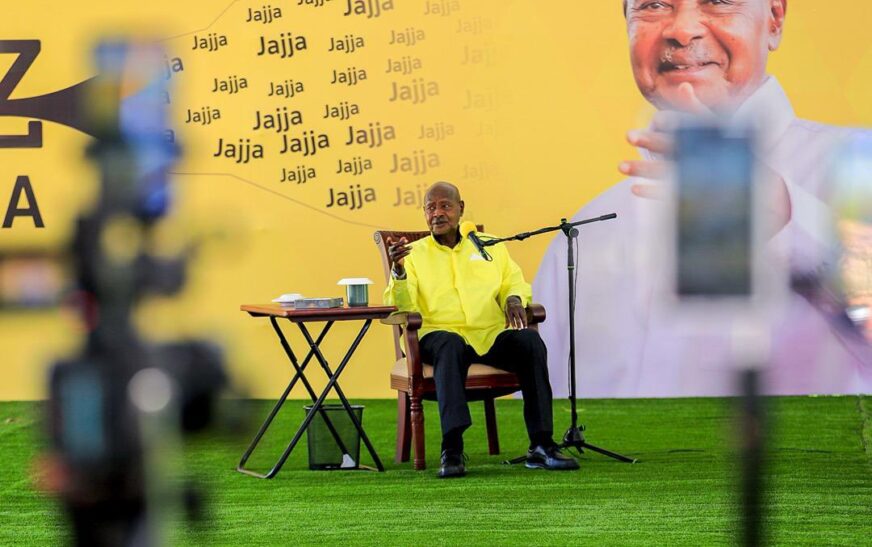

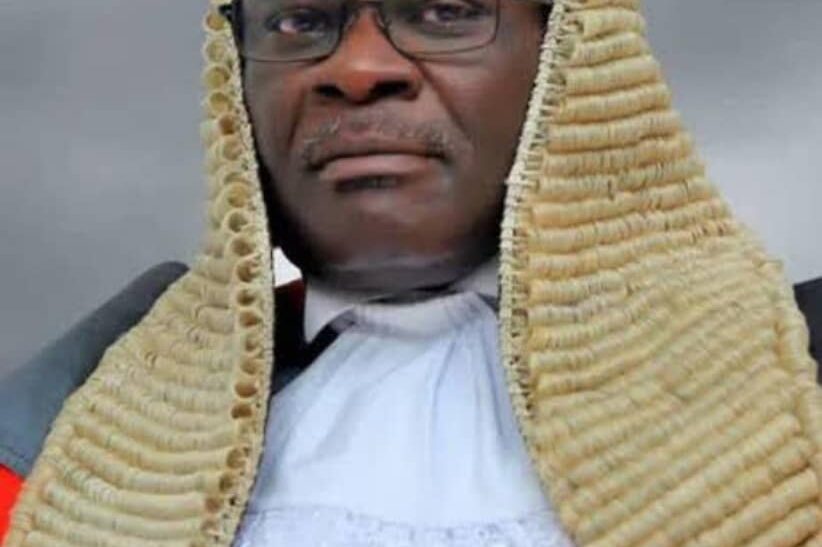
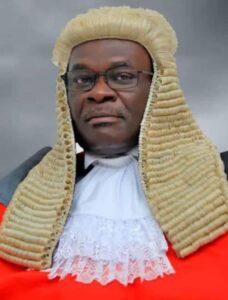
Ugandans are heading to the polls at a moment that also marks a major transition as Chief Justice Owiny-Dollo prepares to retire in less than two weeks
The elections, unfolding amid heightened political competition and close national attention, are taking place under a Judiciary that has been central to resolving electoral disputes over the past five years. For many observers, the coincidence of the vote and the impending departure of Chief Justice Owiny-Dollo adds symbolic weight to the moment, highlighting the close link between Uganda’s democratic process and its courts.
Owiny-Dollo, who has served as Chief Justice since 2021, has overseen a period defined by contested elections, politically sensitive rulings, and sustained calls for judicial reform.
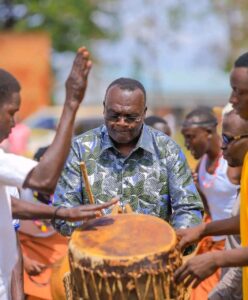
During his tenure, he emphasized judicial independence and promoted alternative dispute resolution as a way of reducing case backlogs and improving access to justice. His leadership has also coincided with increased public scrutiny of court decisions, particularly in cases with strong political implications.
As voting continues across the country, legal experts note that the courts are once again expected to play a key role, particularly if petitions arise from the presidential and parliamentary races. Previous elections have demonstrated how post-election litigation can influence political outcomes and test the resilience of judicial institutions.
The proximity of the elections to Chief Justice Owiny-Dollo’s retirement has intensified focus on whether the Judiciary is adequately prepared to manage any post-election disputes without disruption. Questions surrounding institutional continuity and leadership stability have become more pronounced as the retirement date draws closer.
Government officials have said measures are in place to ensure a smooth transition in judicial leadership. However, civil society groups and members of the legal fraternity have urged transparency in the process of appointing Owiny-Dollo’s successor, warning that public confidence in the courts is especially critical during election periods marked by political tension.
For the outgoing Chief Justice Owiny-Dollo, the polls represent one of his final major national moments in office. As Uganda votes, the country is not only choosing its political leaders but also closing a chapter in judicial leadership—one shaped by resilience, scrutiny, and high public expectations.