
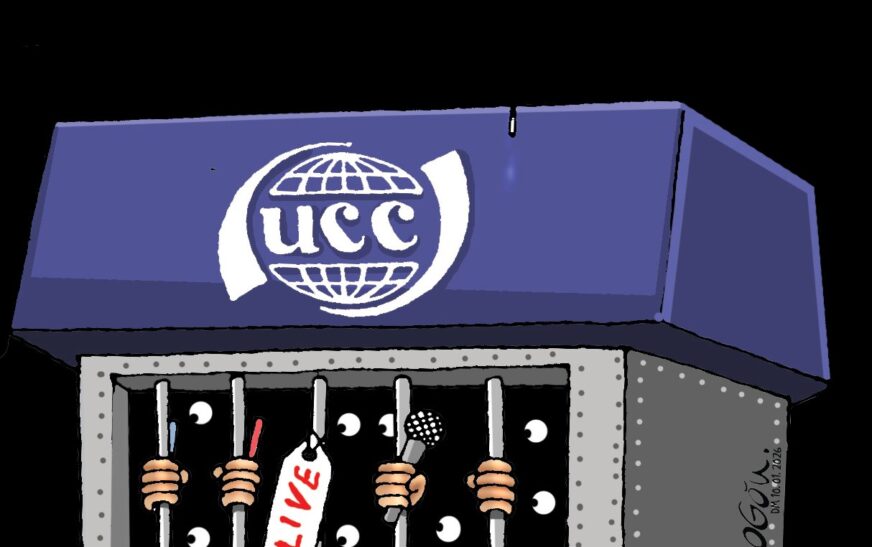
Uganda Communications Commission (UCC) has imposed new restrictions on live media coverage of the 2026 general election results, citing public order concerns nationwide.
The directive, issued Tuesday, limits real time broadcasting of tallying processes, requiring stations to rely on officially released results only from authorities.
UCC said uncontrolled projections could inflame tensions, spread misinformation, and undermine confidence in electoral institutions during a highly contested period nationwide season.
Media houses must suspend live result tickers, exit polls, and parallel vote tabulation until the Electoral Commission publishes verified figures officially first.
Failure to comply will attract sanctions including fines, suspensions, or license revocation, the regulator warned, emphasizing compliance with broadcasting standards and laws.
Editors and journalists expressed concern the measures may stifle transparency, hinder public scrutiny, and limit timely access to critical democratic information nationwide.
Civil society organizations urged dialogue, arguing responsible live coverage enhances accountability while discouraging rumor driven violence during elections through clear professional guidelines.
Opposition leaders accused authorities of censorship, saying restrictions favor incumbents and weaken voters’ ability to independently track outcomes across the country fairly.
Government spokespersons defended the policy, insisting centralized announcements prevent confusion, ensure accuracy, and preserve peace during counting processes at national and local.
The Electoral Commission said it will release periodic updates and final results through accredited channels, urging patience from citizens amid heightened anticipation.
Analysts note similar restrictions were applied previously, though courts later affirmed media freedoms alongside security considerations following petitions by journalists and lawyers.
As campaigns intensify, broadcasters are reviewing compliance plans, training staff, and adjusting programming ahead of polling day under tightened regulatory oversight rules.
The developments set a tense backdrop for 2026 polls, testing balances between security, transparency, and press freedom as Ugandans await historic choices.