

Cabinet Releases UGX 80bn for Five-Cow Programme in Teso, Acholi, Lango
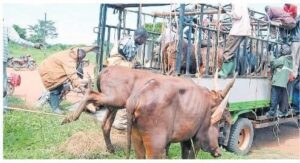
Northern Uganda_ Cabinet has approved and released UGX 80 billion to kick-start a new livestock restocking programme that will provide five cows per household in the sub-regions of Teso, Acholi and Lango, effectively replacing the long-delayed cattle compensation scheme.
The decision, announced following a Cabinet meeting this week, comes amid mounting pressure from local leaders and communities who have for years demanded redress for massive cattle losses suffered during past insurgencies and raids. It also follows heightened political mobilization by the opposition under the slogan “no cow, no vote,” which has gained traction across parts of northern and eastern Uganda.
According to government officials, the new programme is intended to shift focus from cash compensation to productive recovery by directly restoring household livelihoods. Under the initiative, beneficiary families will receive five cows each, alongside veterinary support and basic training in animal husbandry to ensure sustainability.
“The aim is to rebuild household wealth and restore dignity through productive assets, rather than one-off payments that do not create lasting impact,” a senior government source said. “This programme is designed to address historical grievances while supporting long-term economic recovery.”
The earlier cattle compensation scheme, introduced to compensate communities for livestock lost during conflict and insecurity, has been marred by delays, verification disputes and allegations of fraud. Many eligible households reported receiving little or nothing years after registering claims, fuelling frustration and distrust toward the government.
Local leaders in the affected regions have cautiously welcomed the new approach. Some said providing cows directly could reduce corruption and ensure tangible benefits reach ordinary families, while others urged transparency in beneficiary selection.
“We support restocking, but the process must be fair and community-led,” said a district leader from Lango. “If the same problems of favoritism and poor implementation happen, people will lose confidence again.”
Opposition figures have claimed credit for pushing the government to act, arguing that sustained political pressure forced Cabinet to abandon the stalled compensation model. Government officials, however, dismissed suggestions that the programme was politically motivated, insisting it had been under consideration for some time.
Implementation is expected to begin in phases, starting with the most affected districts. The Ministry of Agriculture, Animal Industry and Fisheries will oversee procurement and distribution, working with local governments to identify beneficiaries.
As the programme rolls out, communities and political actors alike will be watching closely to see whether the UGX 80 billion initiative delivers on its promise—or becomes another flashpoint in the long-running debate over compensation, accountability and trust in government.
Story by:Patrick Okello











1 Comment
Encouraging
Please continue updating our community
Thanks 🙏🙏