
As Gulu City voters head to the polls today to elect their next mayor, a cultural debate is unfolding across social media with local Luo artists openly picking sides.
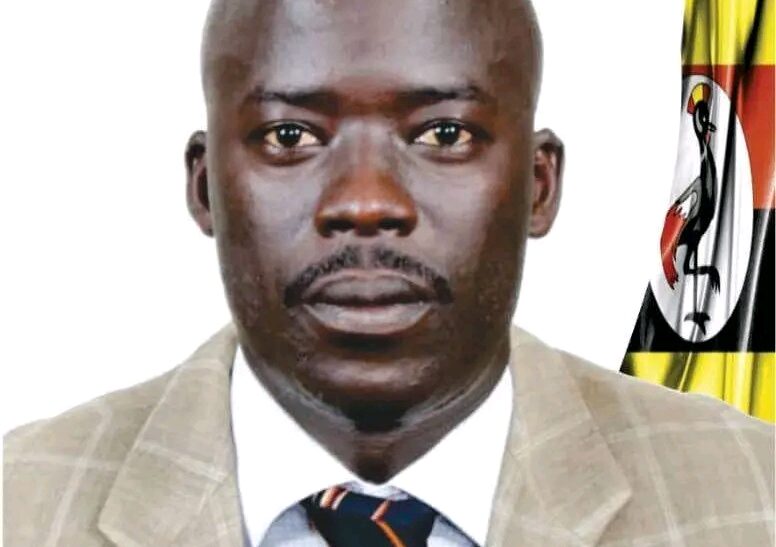
The race between Gunya Julius Labeja, a prominent independent challenger, and Okwonga Alfred, the incumbent and NRM-aligned candidate, has sparked differing views among creatives.
Luo Artists Backing Okwonga Alfred
Several voices in the Luo music scene are throwing their support behind Okwonga Alfred, praising his leadership and encouraging voters to stick with proven governance.
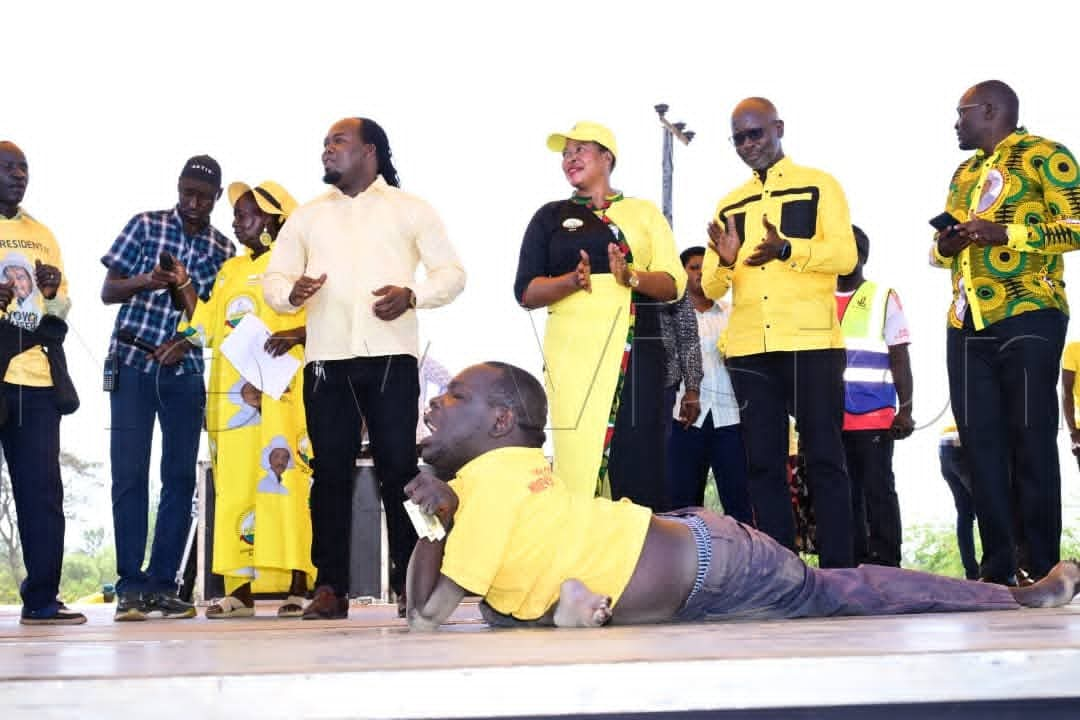
Smokie Allan has taken to Facebook to publicly endorse Okwonga, highlighting his track record and urging their followers to give him another term as mayor.

His posts emphasize continuity, stability, and community development under his leadership. https://www.facebook.com/share/p/1K7iwmSdTE/
Support posts refer to Alfred’s work and reputation in Gulu, underlining his focus on service delivery and civic leadership as reasons for their backing.
Supporters of Okwonga also circulate campaign posts asking the public to consider his experience and integrity as they cast their votes.
Luo Artists Advocating Gunya Julius Labeja
On the opposing side, other Luo artists are championing Gunya Julius Labeja, seeing him as a fresh voice for change in Gulu City.
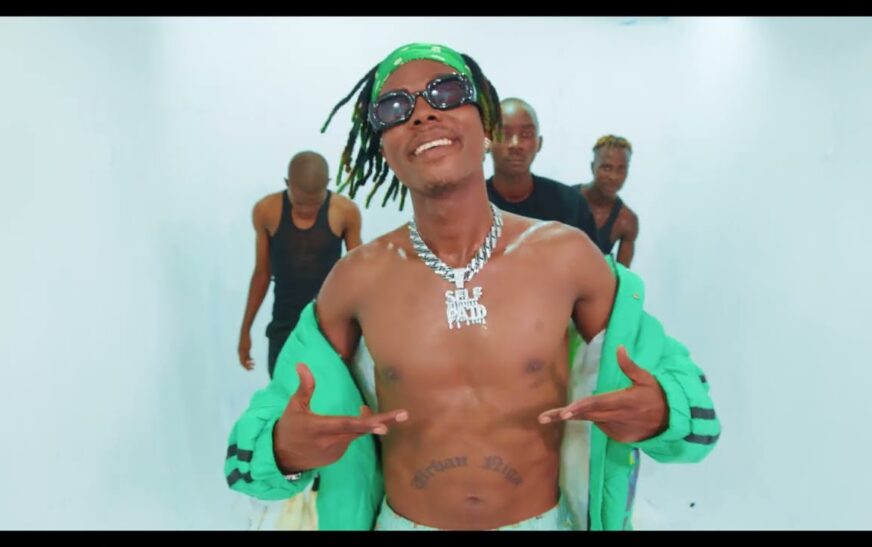
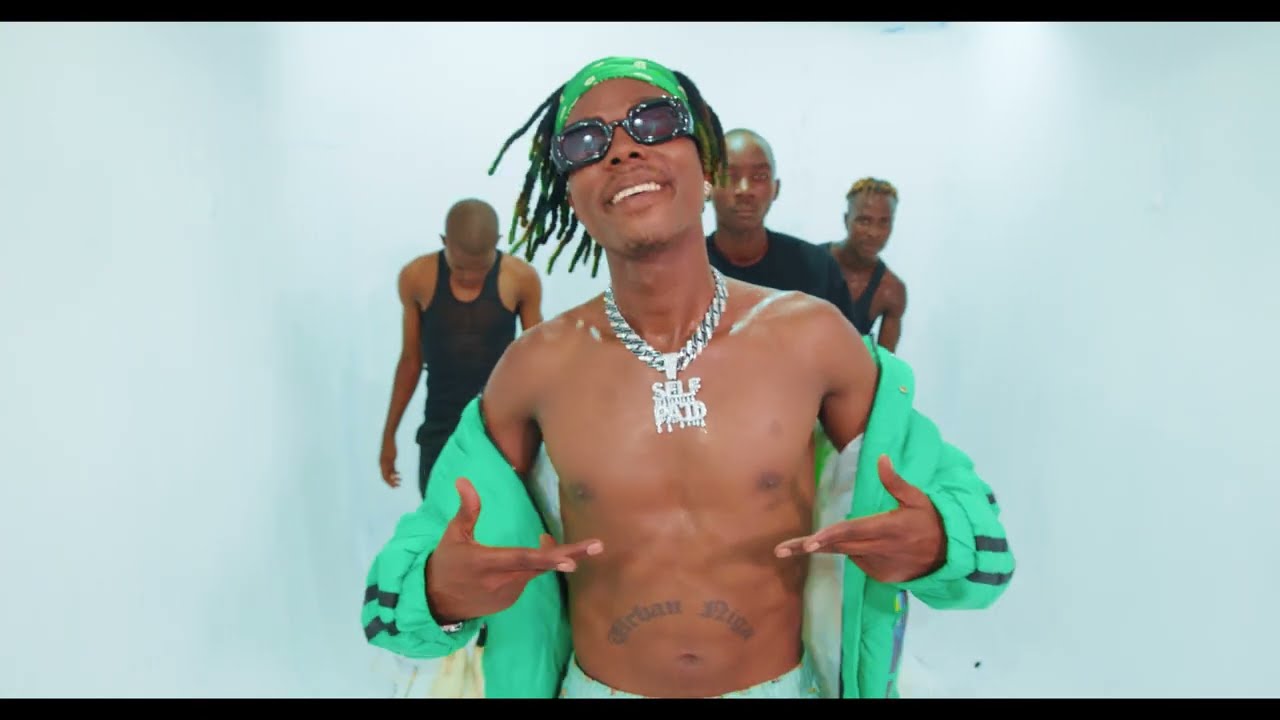
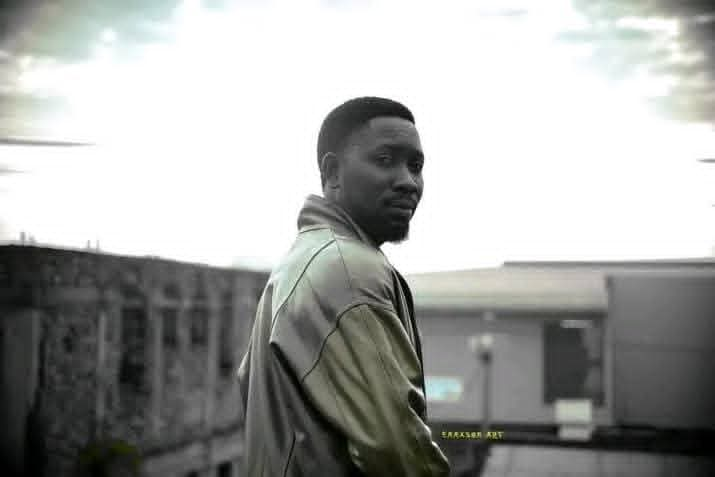
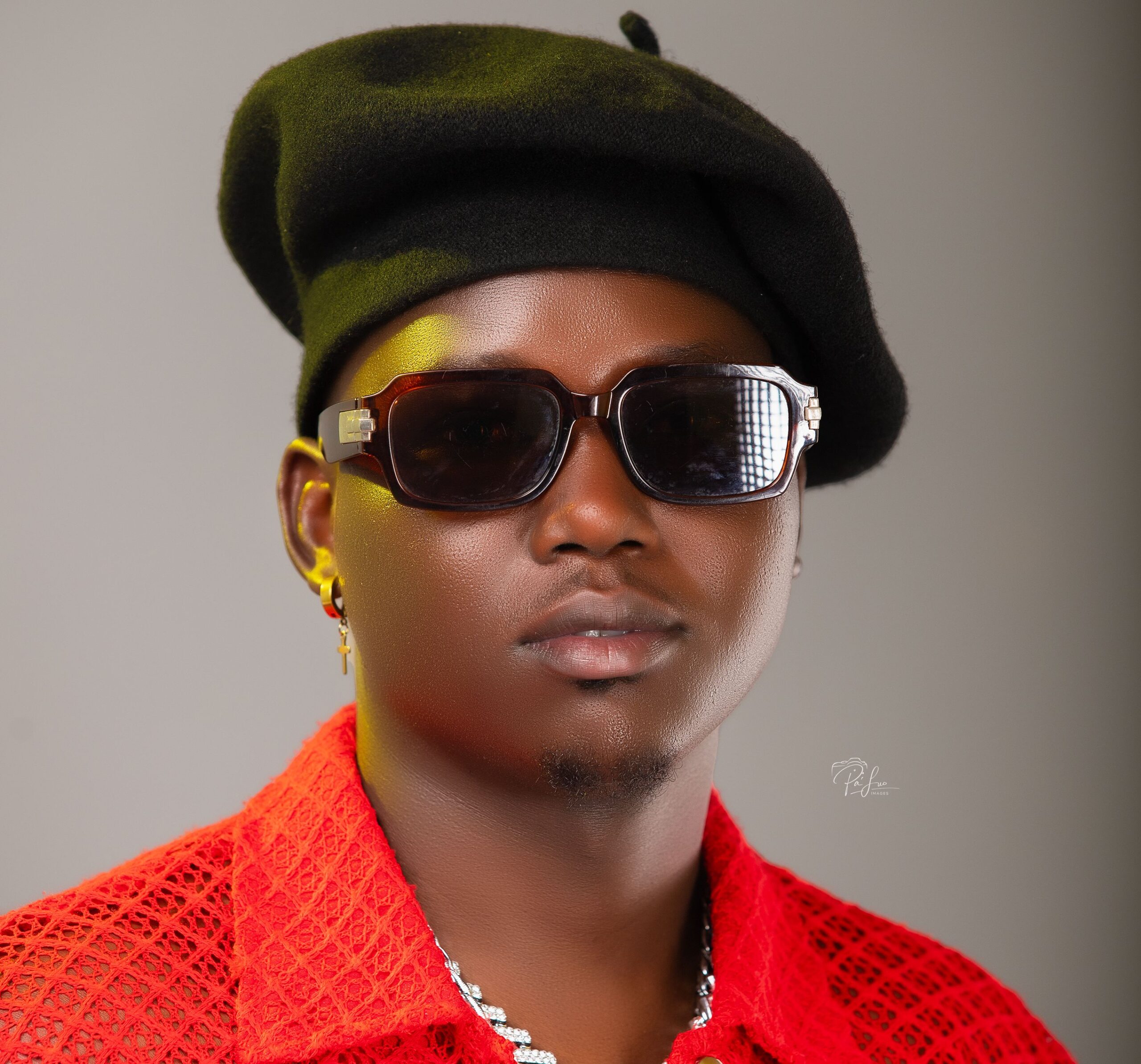
Eezzy and Judahs Rap Knowledge have shared messages urging fans and the public to vote for Gunya Labeja, praising his vision and calling on citizens to back what they describe as a new era of leadership. https://www.facebook.com/share/r/17kkG7t76B/
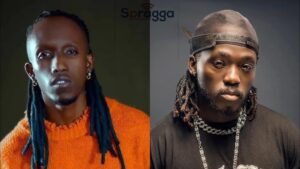
Artists have been explicitly campaigning for Gunya, with messages and affirmations of his readiness to bring productive change to the city.
Other social content portrays Gunya as ready to end “empty talk” and deliver on voters’ priorities, resonating with a segment of youths and creative communities.
This artistic split highlights a broader trend in Ugandan local politics.
Cultural influencers are increasingly using their platforms to shape civic discussion ahead of elections.
For many young and urban voters, how artists position themselves can signal wider public sentiment especially when debates about leadership, development, and representation become part of cultural dialogue.
Whether fans factor these endorsements into their own decisions remains to be seen but clearly, in Gulu City, music and social expression are part of the political process.