
Pressure Mounts on Government to Compensate West Nile War Victims as Elections Near.
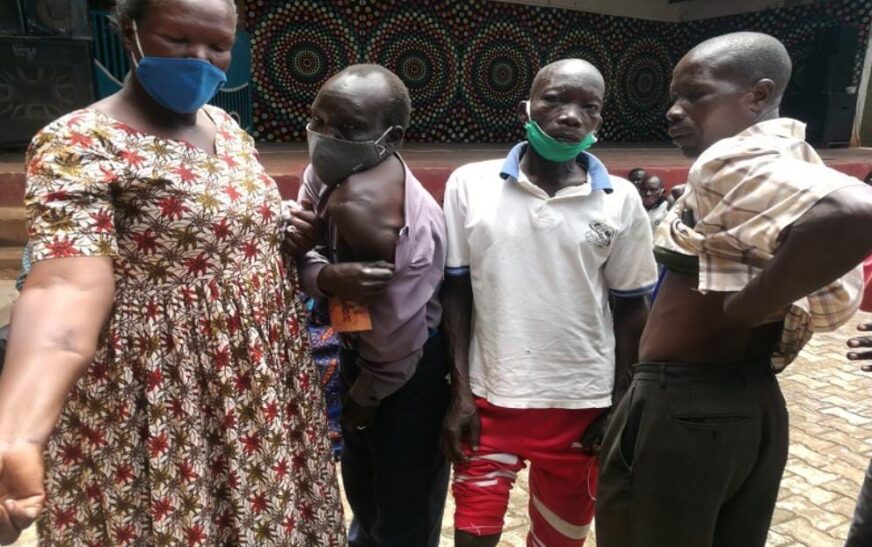
Some of the War victimsshowing bullet wounds they got during the insurgency..
ARUA CITY – As Uganda approaches the general elections scheduled for January 15, 2026, voices from West Nile are growing louder, urging the government to finally compensate communities affected by decades of conflict.
With less than two weeks to polling day, various victim groups say the pre-election period presents a critical opportunity for the state to honor long-standing commitments, enabling survivors to participate in the elections with confidence and clarity.
Those demanding compensation include victims of the Lord’s Resistance Army (LRA) violence in Arua and Adjumani, survivors of the Ombaci, Ringili, and Muni massacres, as well as individuals affected by the West Nile Bank Front insurgencies in districts such as Yumbe, Koboko, and Maracha.
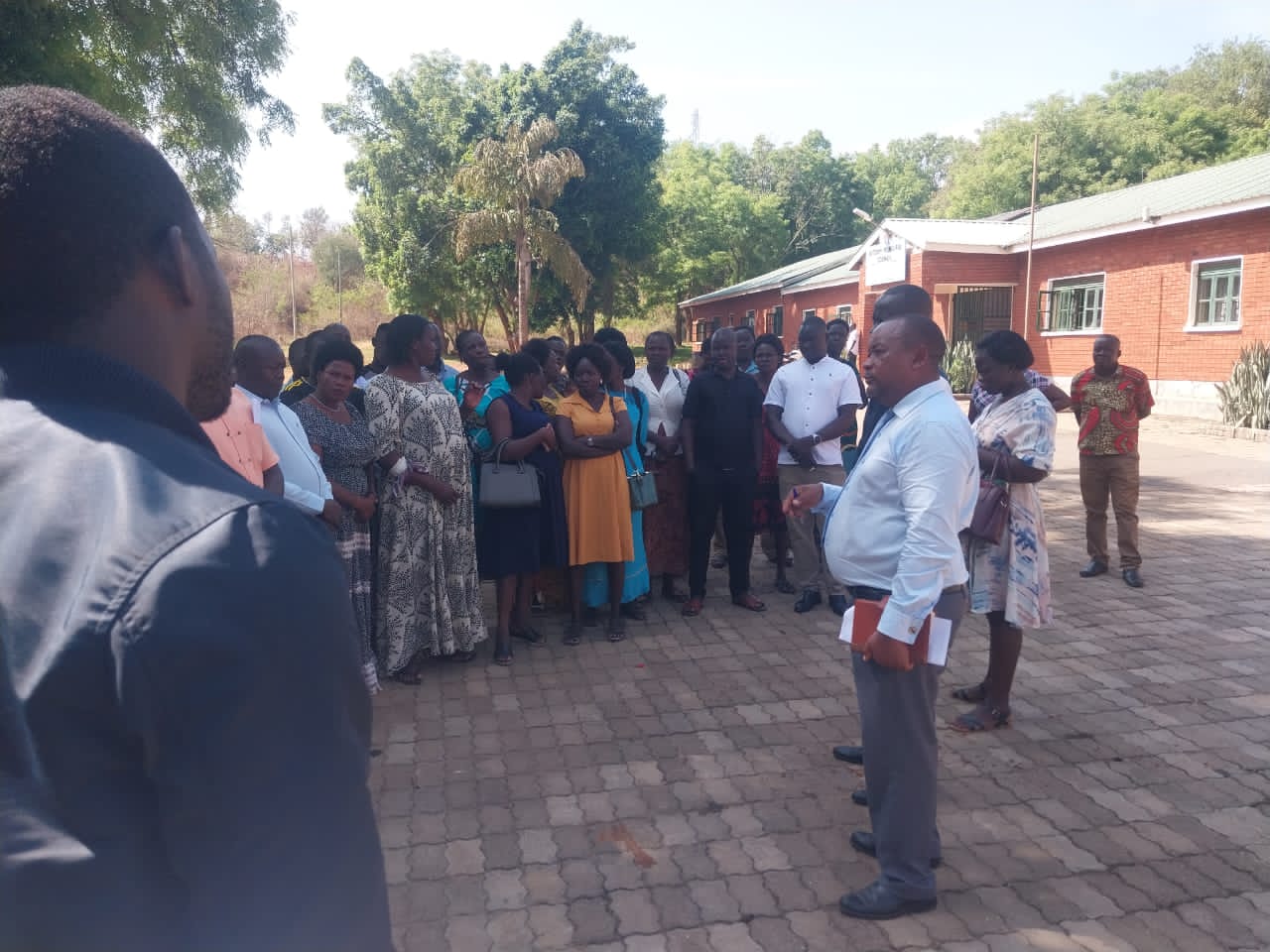
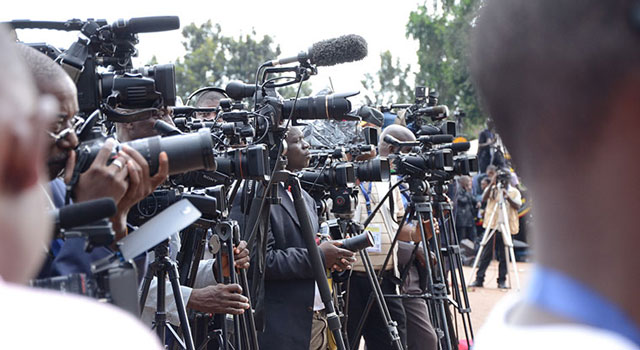
Addressing the media in Arua City, Richard Andama, Chairperson of the West Nile Advocacy Network, said the issue of compensation repeatedly emerged during President Yoweri Museveni’s recent countrywide campaign tours, yet West Nile’s concerns were not raised when the President visited the region.
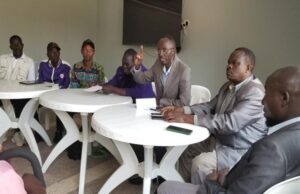
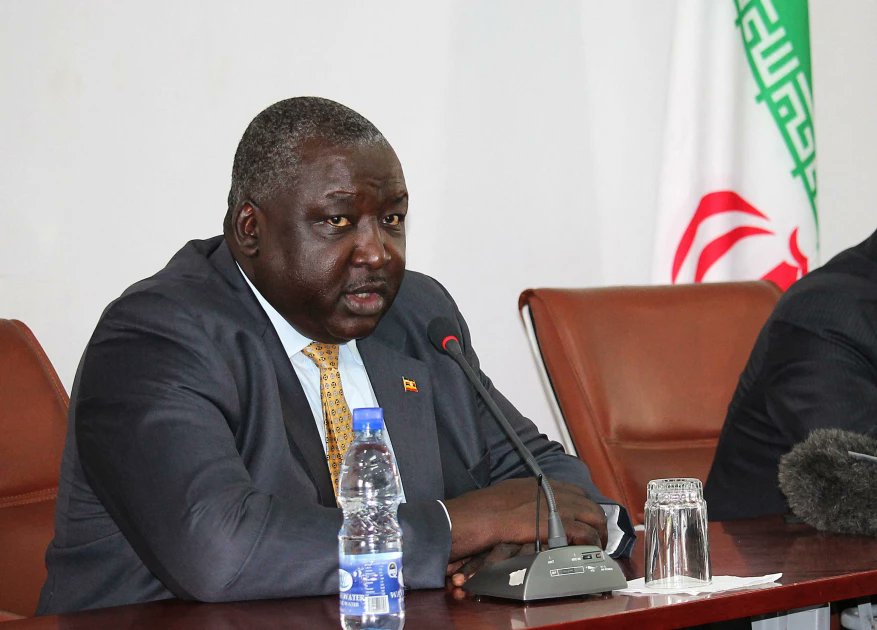
Richard Andama expressing his points while speaking to journalists. PhotoCredit,Courtesy
Andama noted that since the fall of Idi Amin in 1979 and through the years leading up to 1986, West Nile endured widespread suffering, including loss of life, property, and livelihoods. Despite this history, he said local leaders failed to bring the matter to the President’s attention during his recent stay.
He contrasted West Nile’s situation with other regions, pointing out that government compensation and recovery programs have been announced or implemented elsewhere. These include funding for cattle restocking in Acholi, Lango, and Teso; similar pledges in Karamoja and Sebei; and assurances to victims of past conflicts in Busoga. In addition, regions such as Rwenzori and Bunyoro have benefited from national compensation initiatives and development programs like Emyooga, the Parish Development Model, youth and women livelihood schemes, and entrepreneurship support.
“It is worrying that West Nile seems to be left out of all these interventions,” Andama said, adding that unresolved claims—particularly those linked to LRA attacks along the Karuma–Pakwach corridor—remain a major concern.
A survivor of the Ombaci massacre himself, Andama explained that victims have been organizing and petitioning authorities since 2013, but without tangible results. However, he said recent instructions from the President to the Prime Minister have revived hope among survivors. He appealed for compensation to be delivered before the elections.
Another survivor, Veronica Eyotaru, recounted how the 1981 attack at Ombaci Mission disrupted her education and permanently altered her life. She said the violence forced her to abandon her studies, denying her opportunities she might otherwise have had. Despite being a loyal supporter of the ruling National Resistance Movement (NRM), she urged the government to act swiftly and compensate victims ahead of the polls.
Samuel Ondoma, legal counsel for the Arua Kony War Victims Association, welcomed President Museveni’s directive issued on October 27, 2025, instructing the Prime Minister to work with key ministries—including Justice, Finance, Defence, and Northern Uganda—to address the compensation question.
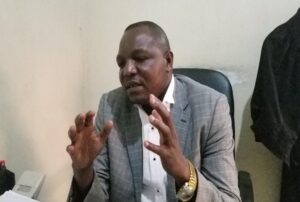
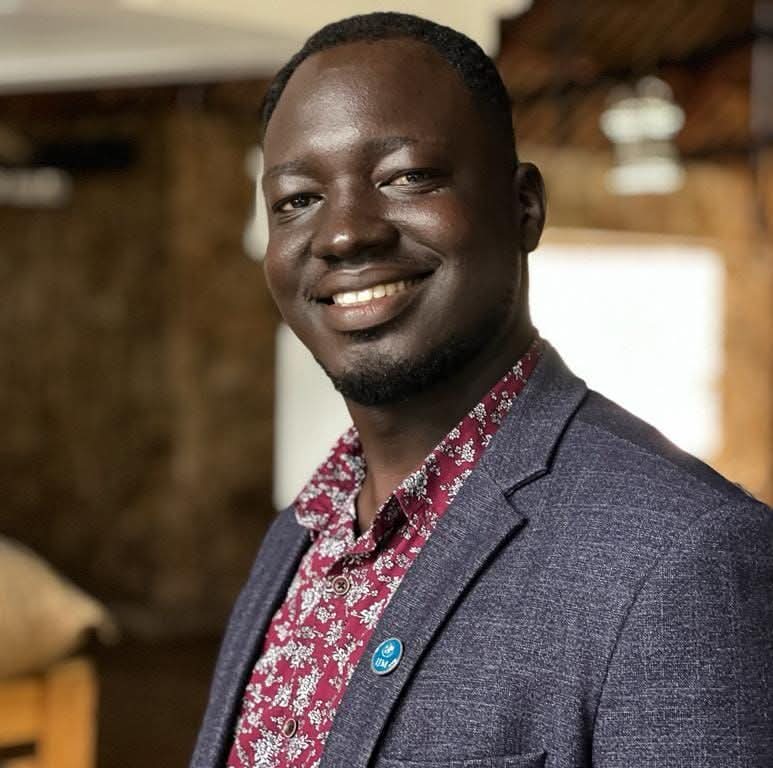
Samuel Ondoma, Lawyer of the Arua Kony War Victims Association
Ondoma said his clients have waited many years for justice, noting that although 1,102 victims were verified as far back as 2016, no payments have been made. He praised the President’s intervention and acknowledged the efforts of Members of Parliament who have continued to press for the victims’ cause.
As election day draws closer, war survivors in West Nile say meaningful action—not just promises—will determine whether their long struggle is finally recognized by the state.